- > Search By Functions
- > Co-Extrusion
- > Search By Material
- > Search By Machines
- > Search By Machines
- > Search By Machines
What are you looking for?
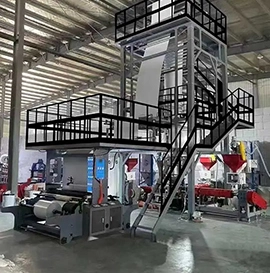
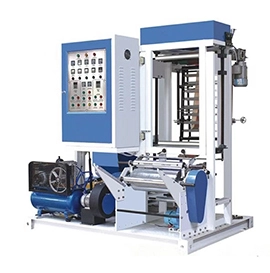
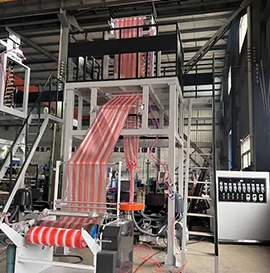
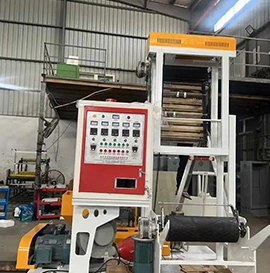
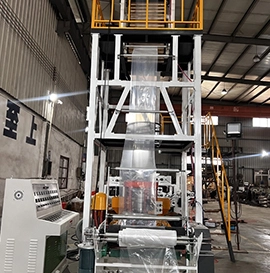
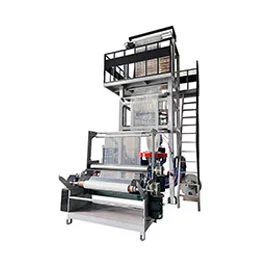
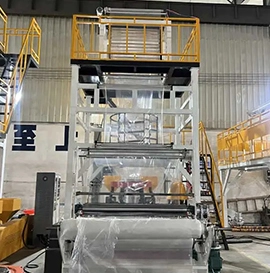
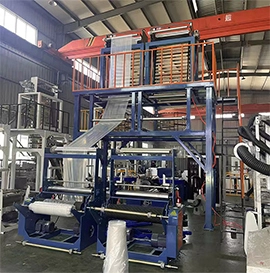
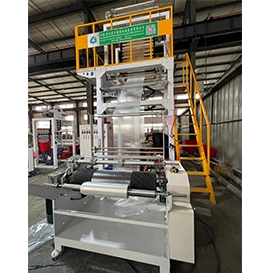
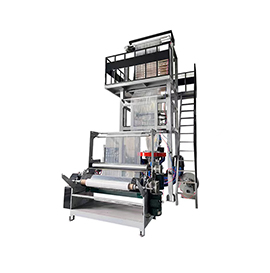
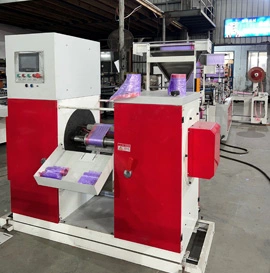
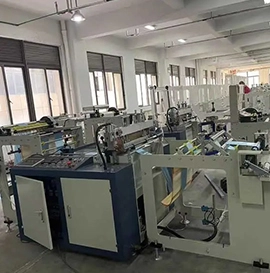
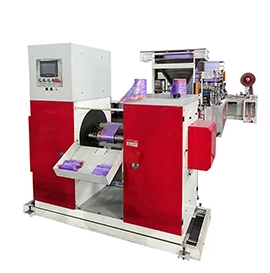
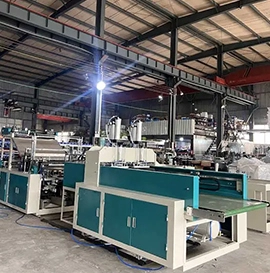
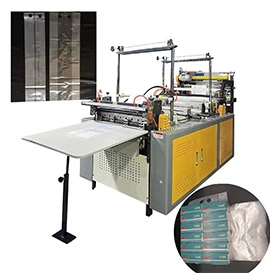
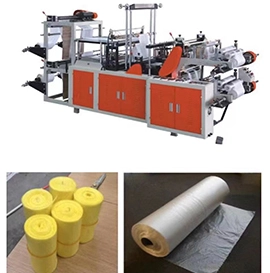
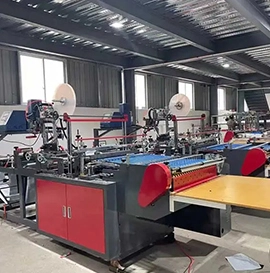
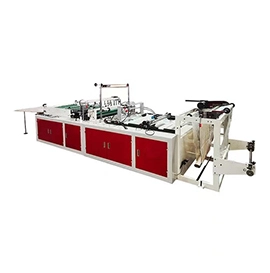
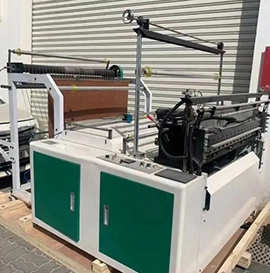
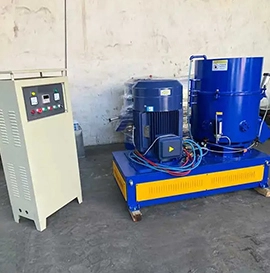
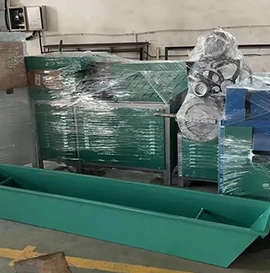
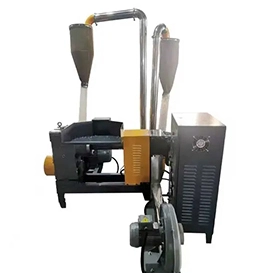
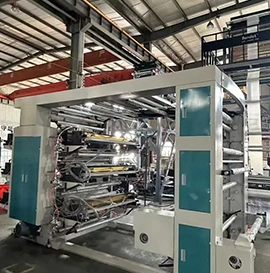
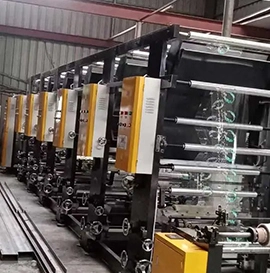
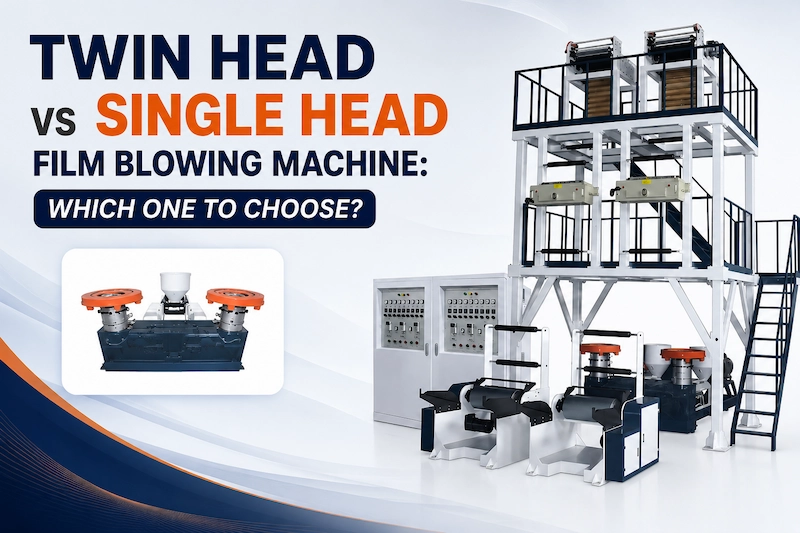
Choosing between a twin head and single head film blowing machine depends on your production goals, product mix, factory space, labor costs, and expected output. In general, a single head machine is ideal for flexible production and lower investment, while a double head film blowing machine offers higher productivity and better efficiency for manufacturers producing large volumes of smaller-width films.
For packaging manufacturers seeking maximum output per square meter of factory space, twin head technology often delivers a faster return on investment. However, it is not always the best choice for every application.
This guide explains the key differences, advantages, limitations, and buying considerations to help you make an informed investment decision.
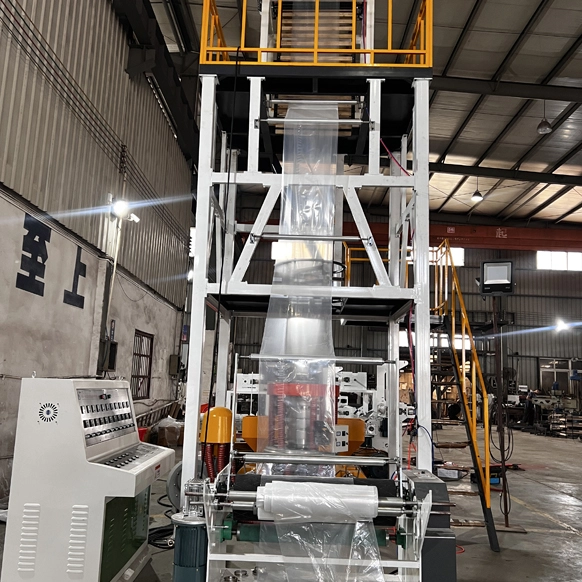
A single head film blowing machine uses one die head to produce a single film bubble. The molten plastic exits through one die, forming one tubular film that is cooled, flattened, and wound.
Single head systems are the most common solution in the film extrusion industry because they offer:
Flexible production
Easy operation
Lower initial investment
Simpler maintenance
Wide product compatibility
Typical products include:
Shopping bags
Garbage bags
Agricultural films
Packaging films
Courier bags
Protective films
| Advantage | Benefit |
|---|---|
| Lower Cost | Lower capital investment |
| Easier Setup | Faster operator training |
| Flexible Width Adjustment | Suitable for diverse products |
| Easier Maintenance | Fewer components to service |
| Lower Risk | Less production complexity |
Lower output compared with twin head systems
Higher production cost per kilogram at large volumes
Less efficient use of floor space
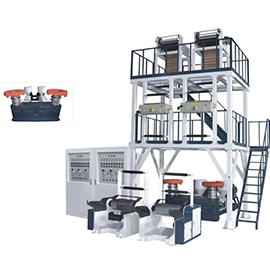
A twin head machine contains two die heads that operate simultaneously from a shared extrusion system.
Instead of producing one film bubble, the machine produces two independent bubbles at the same time.
A modern double head film blowing machine can significantly increase production efficiency without doubling labor costs.
Twin head machines are especially popular for:
T-shirt bags
Vest bags
Produce bags
Small garbage bags
Roll bags
High-volume commodity packaging
| Advantage | Benefit |
|---|---|
| Higher Output | Produce two films simultaneously |
| Better Floor Space Utilization | More production per machine footprint |
| Lower Unit Production Cost | Improved profitability |
| Reduced Labor Cost per Kg | One operator can manage both heads |
| Faster Order Fulfillment | Suitable for large-volume contracts |
Higher purchase cost
More complex setup
Less flexible for very wide films
Requires experienced operators
The biggest difference is output.
A twin head system can often increase production capacity by 50% to 100% compared with a comparable single head machine.
| Machine Type | Relative Output |
|---|---|
| Single Head | 100% |
| Twin Head | 150%-200% |
For factories processing large monthly volumes, this productivity increase can substantially reduce manufacturing costs.
Single head machines generally provide greater flexibility for producing wider films.
| Machine Type | Width Flexibility |
|---|---|
| Single Head | Excellent |
| Twin Head | Better for narrow films |
If your business frequently changes product widths, a single head machine may be the better choice.
Twin head machines require:
Additional die heads
Additional bubble stabilization systems
More control components
Therefore, initial investment is higher.
| Machine Type | Investment Level |
|---|---|
| Single Head | Lower |
| Twin Head | Higher |
However, the higher productivity often offsets the additional cost over time.
Labor expenses continue rising in many manufacturing regions.
Twin head machines improve labor utilization because one operator can oversee two production lines simultaneously.
For factories facing labor shortages, this can be a significant advantage.
Twin head systems consume more energy overall.
However, when calculated per kilogram of finished film, energy efficiency is often better.
This means:
Lower production cost per unit
Better long-term operating economics
A single head machine is usually the better choice when:
If you frequently switch between:
Different film widths
Different materials
Small production batches
A single head system offers greater flexibility.
Startups and growing manufacturers often prioritize lower upfront costs.
Single head machines provide a practical entry point into blown film production.
Products such as:
Agricultural mulch film
Greenhouse film
Industrial packaging film
typically favor single head configurations.
Twin head systems excel in high-volume production environments.
Examples include:
Grocery bags
Produce bags
T-shirt bags
Trash bags
These products are often narrow-width films where twin head production achieves maximum efficiency.
The more hours a machine runs continuously, the more valuable twin head productivity becomes.
Factories serving multiple large customers often benefit from higher output capacity and faster delivery schedules.
Many buyers focus only on machine price.
However, return on investment is often more important.
| Factor | Single Head | Twin Head |
|---|---|---|
| Machine Cost | Lower | Higher |
| Monthly Output | Lower | Higher |
| Labor Cost per Ton | Higher | Lower |
| Profit Potential | Moderate | Higher |
| Payback Period | Longer | Often Shorter |
For high-volume manufacturers, the productivity gains frequently justify the additional investment.
Not entirely.
While a twin head machine can achieve similar output, production flexibility may differ.
The best solution depends on your product portfolio.
Modern twin head machines are relatively easy to maintain.
However, they contain more components and require more preventive maintenance than single head systems.
Typically no.
One operator can usually manage both heads.
This is one reason why twin head systems improve labor efficiency.
Film quality depends more on:
Die design
Temperature control
Material quality
Operator skill
Both machine types can produce excellent film when properly configured.
Before choosing between a single head and twin head machine, evaluate:
Ask yourself:
Are most products narrow or wide?
Do orders change frequently?
Do customers require custom specifications?
Calculate:
Current monthly output
Expected growth
Future capacity requirements
Twin head systems often provide more output within the same footprint.
If labor costs are rising, higher automation and productivity become increasingly valuable.
Consider total ownership cost rather than purchase price alone.
A single head film blowing machine remains the best choice for manufacturers prioritizing flexibility, lower investment, and diverse product production.
A double head film blowing machine is generally the better investment for factories producing large quantities of narrow-width packaging films where productivity, labor efficiency, and operating costs are critical.
If your business regularly runs long production batches and faces increasing labor expenses, a twin head system can deliver substantial long-term savings and improved profitability.
Before making a final decision, evaluate your product dimensions, monthly production targets, labor costs, and future expansion plans. The right machine is not necessarily the one with the highest output—it is the one that aligns most closely with your manufacturing strategy and market demand.
Most machines can process HDPE, LDPE, LLDPE, and recycled polyethylene materials depending on machine configuration.
Yes. Many manufacturers use twin head machines with recycled materials for garbage bags and commodity packaging products.
Depending on design and product specifications, output increases of 50% to 100% are common.
Per kilogram of finished film, they are often more efficient despite having higher total power consumption.
For most startups, a single head machine provides greater flexibility and lower investment risk. As production volume grows, upgrading to a twin head system may become economically advantageous.