- > Search By Functions
- > Co-Extrusion
- > Search By Material
- > Search By Machines
- > Search By Machines
- > Search By Machines
What are you looking for?
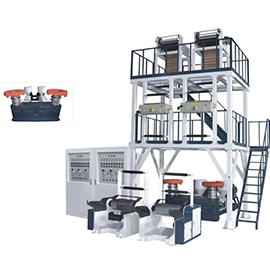
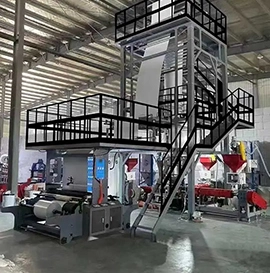
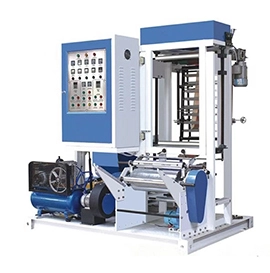
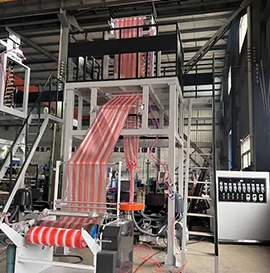
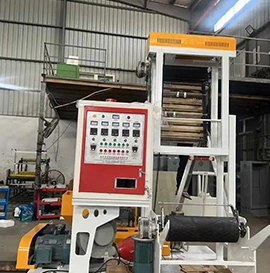
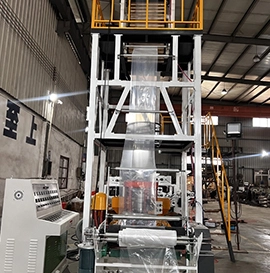
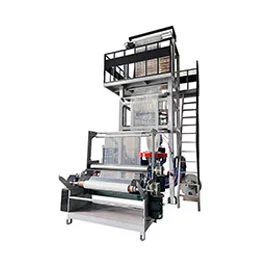
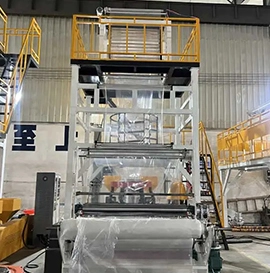
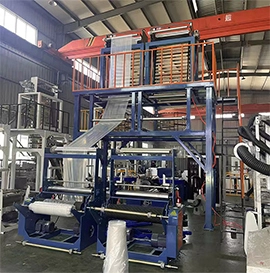
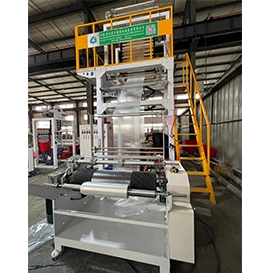
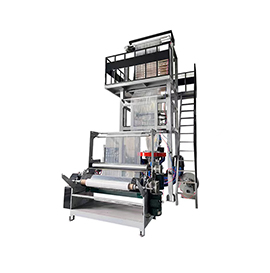
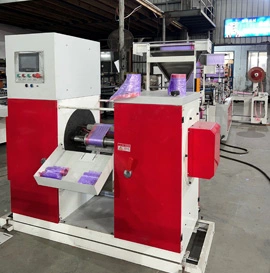
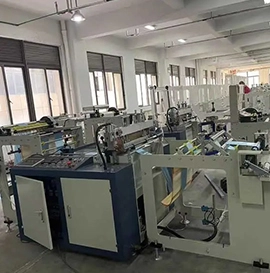
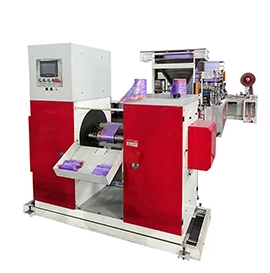
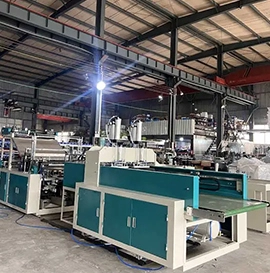
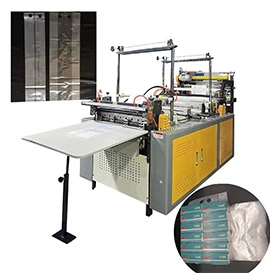
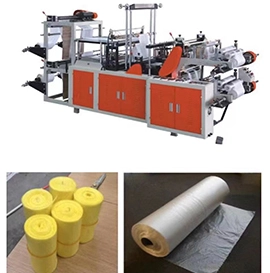
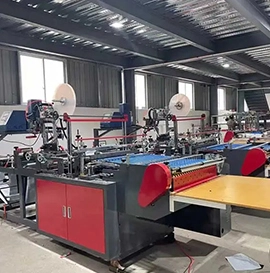
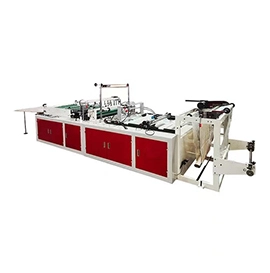
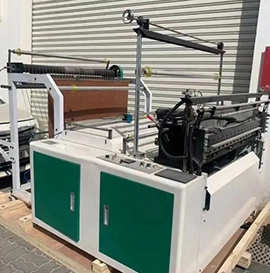
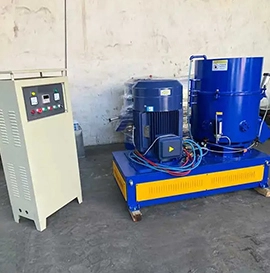
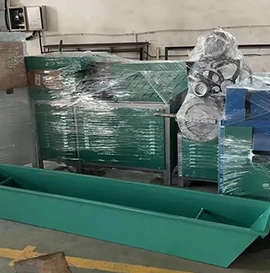
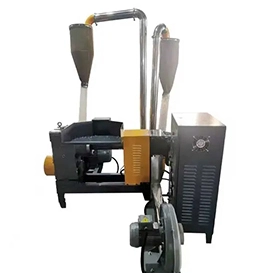
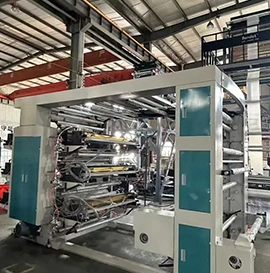
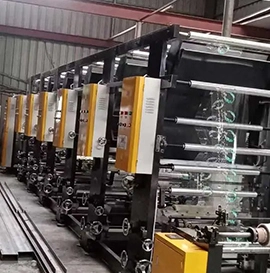
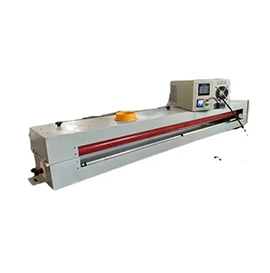
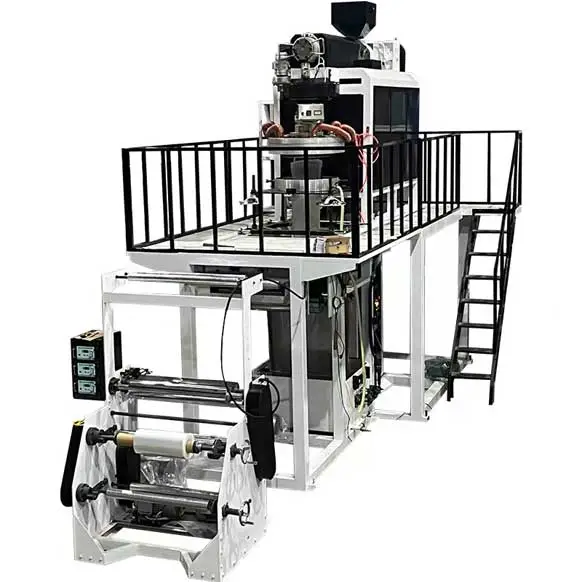
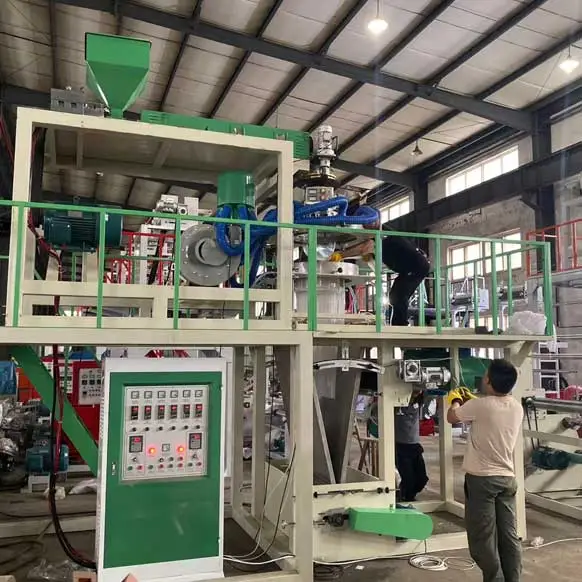
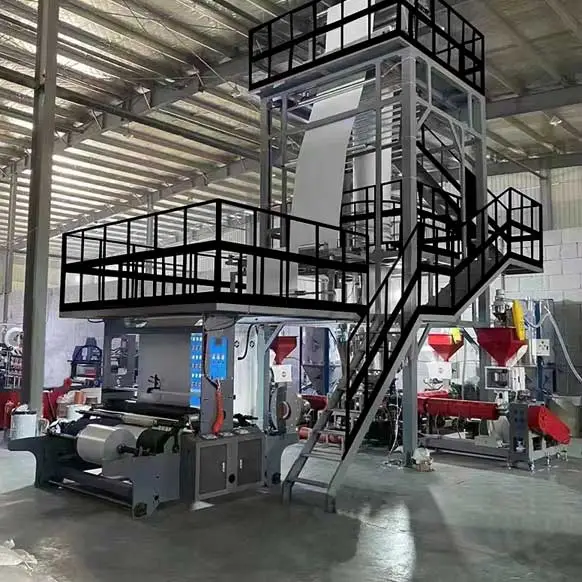
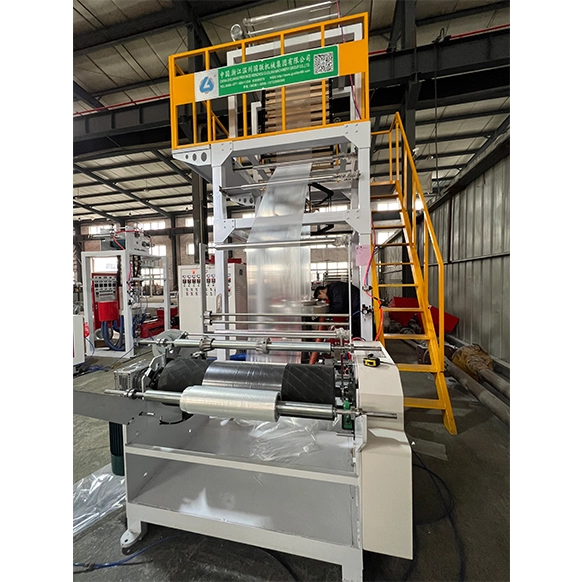
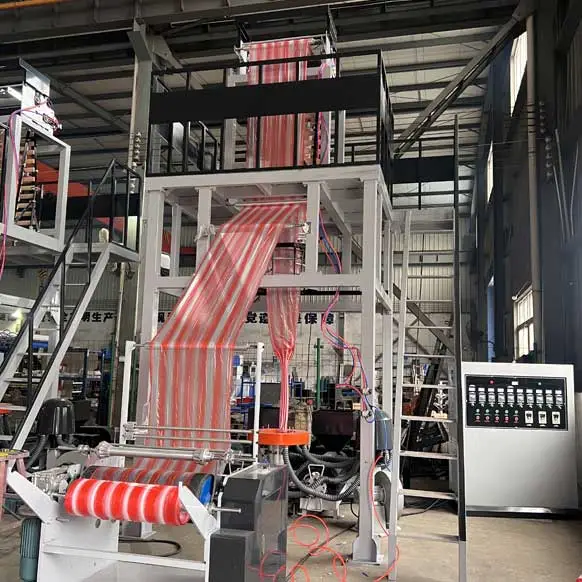
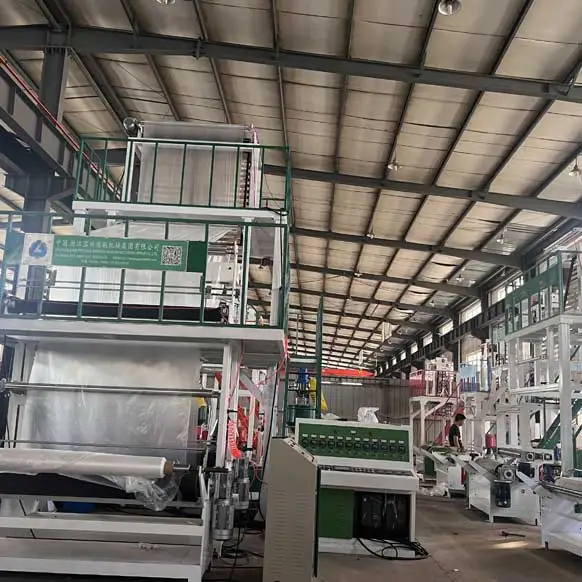
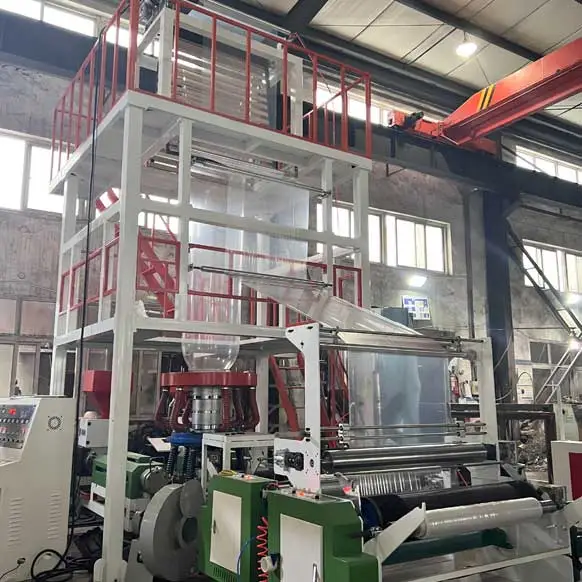
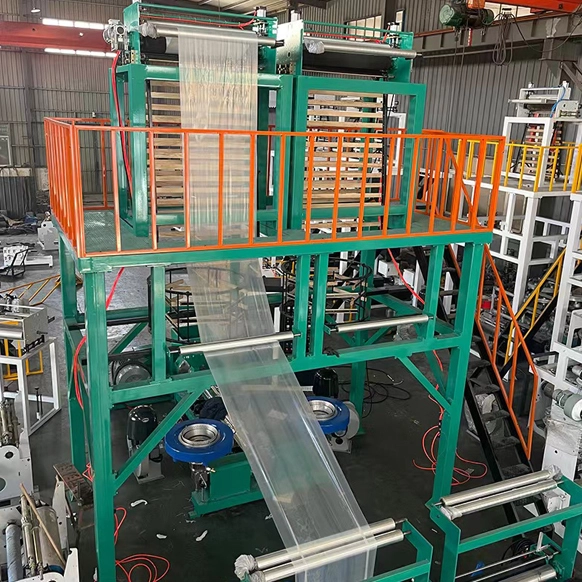
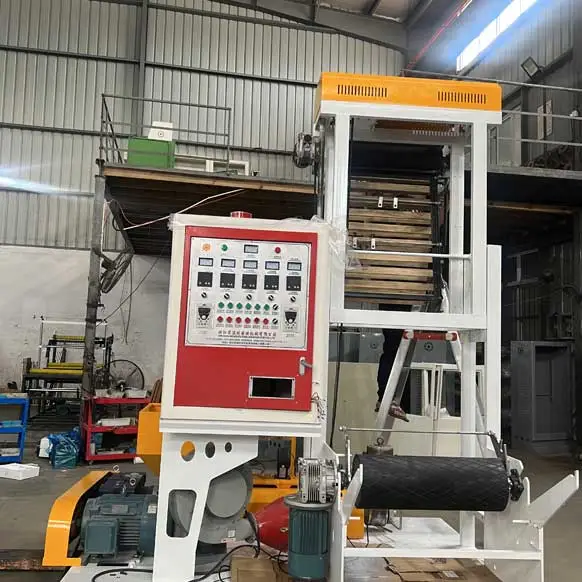
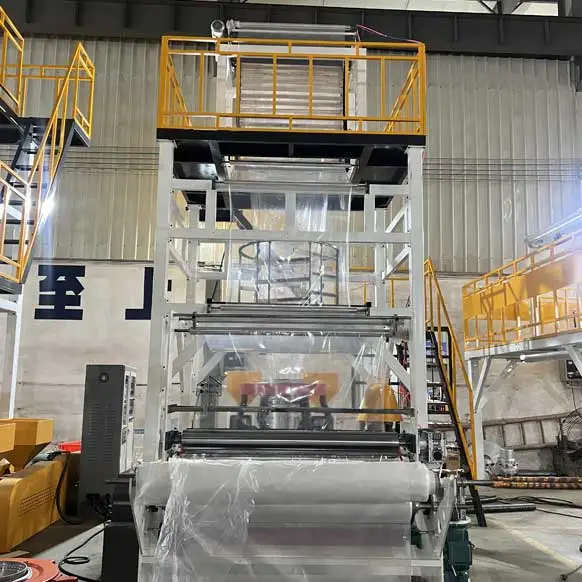
The PP blown film machine is suitable for the production of polypropylene (PP) plastic film, widely used in food, clothing, textiles, daily necessities and other civilian products and industrial supplies packaging.
Contact us and get PP blown film making/extrusion machine!
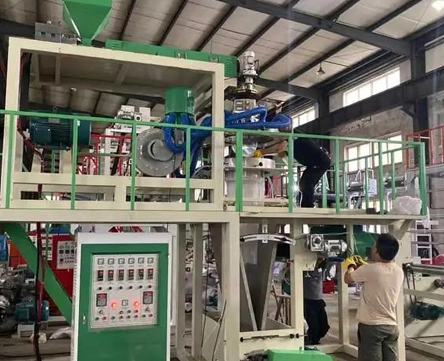
The die head can choose 360 degrees of rotation, can enhance the strength and uniformity of the plastic film.
The screw and material cylinder are made of 38CRMOALA alloy steel, through nitriding treatment and precision processing, high hardness, strong corrosion resistance, durable.
Die head coated with hard chromium, its structure is spiral mandrel type, uniform molten material and good film finish; air cooling device is labyrinth structure with uniform air volume. The circulating water is used to achieve good transparency.
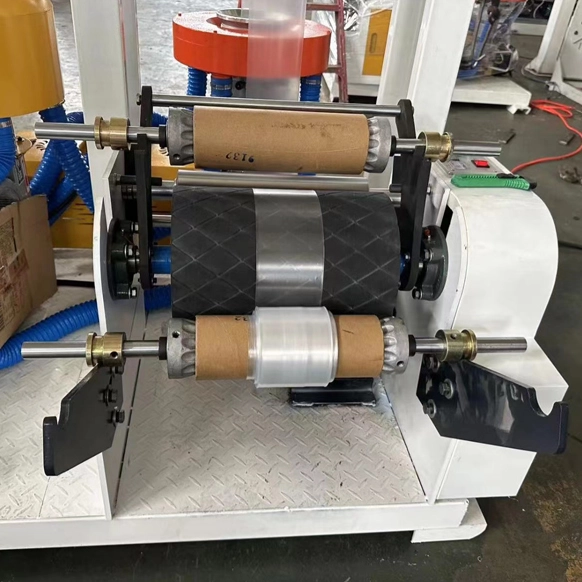
The winding device adopts pressure friction or central winding, adjusted by torque motor, smooth winding and easy roll changing.
MODEL | SJ50 | SJ.60 | SJ.65 | ||
Suitable material | PP | ||||
Max film blowing width | 100-500 | 150-600 | 200-800 | ||
Film thickness (mm) | 0.03-0.11 | 0.03-0.11 | 0.03-0.11 | ||
Max output | 30 | 45 | 60 | ||
Screw diameter | Φ45 | Φ55 | Φ65 | ||
Screw L/D ratio | 30:1 | ||||
Barrel cooling | 370w x 2 | 370w x 2 | 370w x 3 | ||
Main motor power (kw) | 11 | 15 | 18.5 | ||
Die mouth | Φ150 | Φ250 | Φ300 | ||
Cooling fan | 1.5 | 1.5 | 2.2 | ||
Traction roll width (mm) | Φ165 x 550 | Φ165 x 650 | Φ165 x 850 | ||
Traction motor power (kw) | 5-60 | ||||
Traction speed | 0.75 | ||||
Rewinding speed | 5-60 | ||||
Rewinding power (N.M) | 5 | 5 | 6 | ||
Dimension L x W x H | 3.5 x 2 x 3.5 | 4.2 x 2.5 x 4 | 4.6 x 2.8 x 4.5 | ||
Using polypropylene (PP) as the raw material, the PP Blown Film Machine delivers films with excellent clarity, gloss, and high-quality surface finish — making it perfect for packaging where visual appeal and printability matter.
PP films produced on this machine also offer strong mechanical strength, tear and puncture resistance, and good chemical resistance, which means the finished packaging can handle demanding usage — whether for food, consumer goods, textile packaging, or industrial materials.
Because PP has a relatively high melting point and better heat resistance compared with many common plastics, the films are more stable under higher temperatures, making them suitable for packaging items that face heat or require sterilization.
This PP Blowing Machine is designed for efficient, high-speed production with consistent film quality. Advanced extrusion and cooling systems ensure uniform thickness, smooth surface, and reliable output — which helps manufacturers meet high-volume demands while keeping waste and downtime to a minimum.
Finally, films made from PP are often lighter and easy to recycle, offering a balance of performance, cost-effectiveness, and environmental friendliness — a major advantage for packaging producers aiming for sustainable, high-quality solutions.
A PP blown film machine is primarily designed for processing polypropylene (PP) materials, including homopolymer PP (HPP), copolymer PP (CPP), and modified polypropylene formulations. Different grades can be selected depending on the required film clarity, stiffness, and heat resistance.
A PP blown film machine is widely used for manufacturing food packaging film, garment bags, flower packaging film, stationery packaging, transparent shopping bags, textile packaging, and industrial protective film. PP film is especially valued for its high transparency, stiffness, and moisture resistance.
Compared with PE film, PP film generally offers higher transparency, better stiffness, improved heat resistance, and superior gloss. However, PE film typically provides better flexibility and low-temperature performance, so material selection depends on the final application.
Most PP blown film machines can produce films ranging from approximately 0.015 mm to 0.10 mm, depending on machine specifications, die head size, and product requirements. Stable thickness control helps ensure consistent film quality.
Yes. PP blown film machines are commonly used for producing high-clarity packaging films, especially for products requiring attractive product visibility, such as apparel packaging, food packaging, and retail display bags.
Film quality is influenced by raw material quality, temperature control, cooling efficiency, screw design, die head precision, and bubble stability. Proper machine adjustment and regular maintenance are essential for maintaining film uniformity and reducing defects.