- > Search By Functions
- > Co-Extrusion
- > Search By Material
- > Search By Machines
- > Search By Machines
- > Search By Machines
What are you looking for?
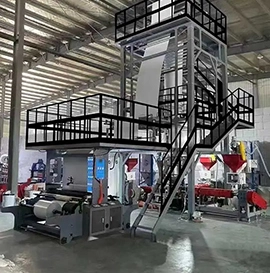
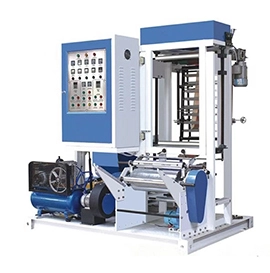
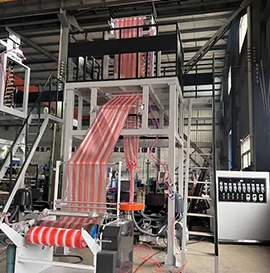
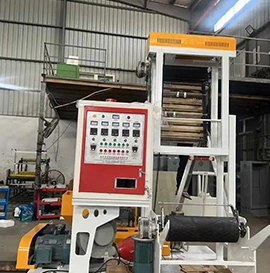
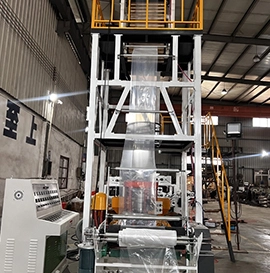
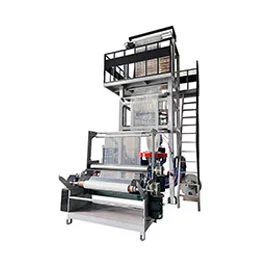
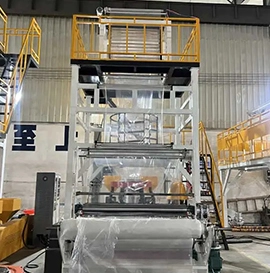
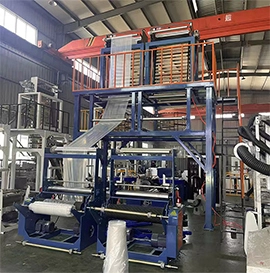
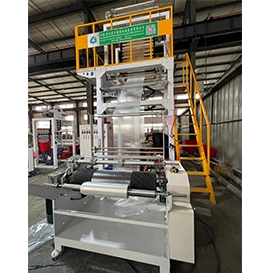
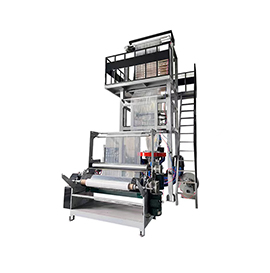
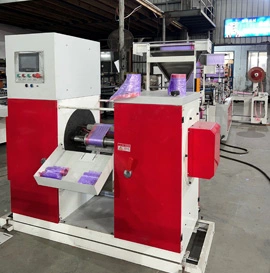
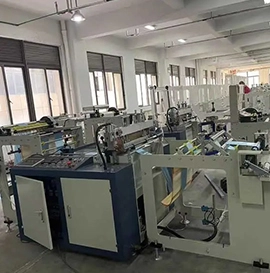
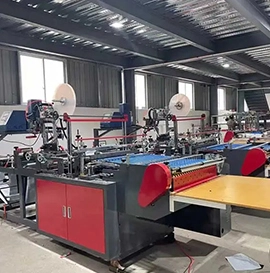
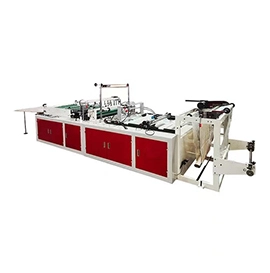
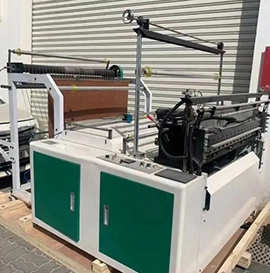
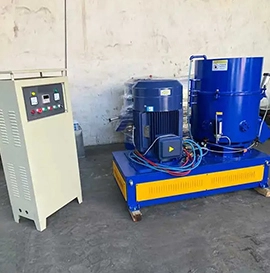
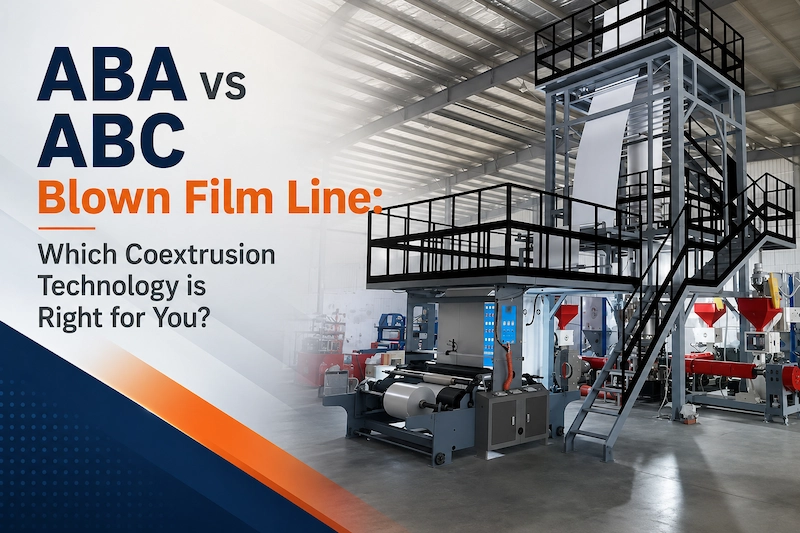
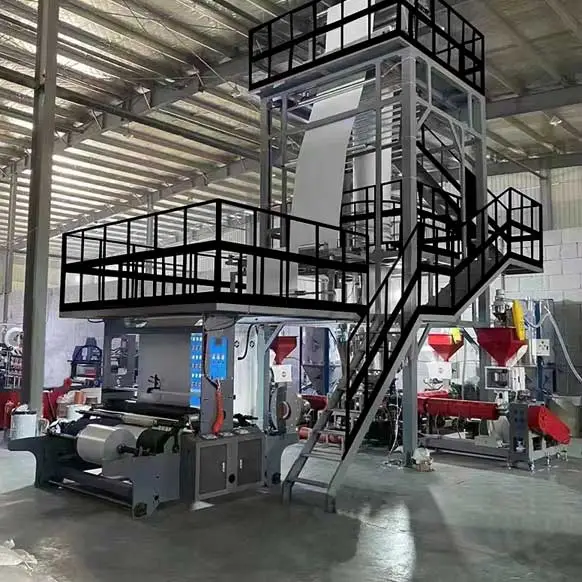
Choosing between ABA and ABC blown film technology depends on your target products, raw material strategy, film performance requirements, and investment budget. For many packaging manufacturers, ABA technology provides an excellent balance between cost and performance, while ABC systems offer greater flexibility, improved film properties, and more advanced layer design options.
As packaging requirements continue to evolve, selecting the right multi layer blown film machine has become a critical investment decision. Understanding the differences between ABA and ABC coextrusion structures can help manufacturers improve profitability, reduce material costs, and meet increasingly demanding customer specifications.
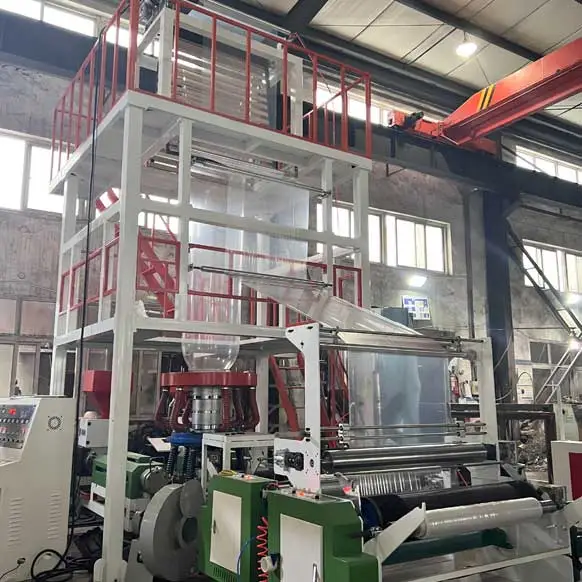
Coextrusion film blowing combines multiple layers of polymer materials into a single film structure during the extrusion process.
Instead of producing a single-layer film, multiple extruders feed different materials into a coextrusion die, creating films with enhanced performance characteristics.
Common benefits include:
Improved mechanical strength
Better puncture resistance
Enhanced sealing performance
Reduced material costs
Better optical properties
Improved barrier performance
Greater formulation flexibility
Among the most widely used configurations in the packaging industry are ABA and ABC structures.
An ABA blown film line consists of three layers arranged as:
A Layer
B Layer
A Layer
The outer and inner layers use the same material formulation, while the middle layer uses a different material.
| Layer | Function |
|---|---|
| Outer A | Surface appearance, strength |
| Middle B | Cost reduction or recycled material |
| Inner A | Sealing and mechanical performance |
In many cases, manufacturers place recycled material in the middle B layer while maintaining high-quality virgin resin on the outer surfaces.
This is one of the primary reasons ABA technology has become popular worldwide.
An ABC blown film line also uses three layers, but each layer can have a different material formulation.
A Layer
B Layer
C Layer
Each layer serves a specific purpose.
| Layer | Function |
|---|---|
| A Layer | Printability, appearance |
| B Layer | Mechanical strength |
| C Layer | Sealing performance |
This structure allows engineers to optimize each layer independently.
As a result, ABC systems offer significantly more flexibility than ABA systems.
| Feature | ABA | ABC |
|---|---|---|
| Number of Layers | 3 | 3 |
| Layer Design Flexibility | Moderate | High |
| Use of Recycled Material | Excellent | Good |
| Material Optimization | Good | Excellent |
| Film Performance | Good | Better |
| Production Cost | Lower | Higher |
| Machine Cost | Lower | Higher |
| Product Variety | Moderate | Extensive |
| Premium Packaging Capability | Limited | Strong |
| ROI for Commodity Films | Excellent | Good |
The success of ABA technology largely comes from cost reduction.
Many manufacturers use:
Reprocessed scrap
Calcium-filled compounds
Lower-cost resin blends
in the B layer.
Because the middle layer is hidden between two virgin resin layers, film appearance remains acceptable while reducing material costs.
ABA lines typically require:
Three-layer die head
Two main material formulations
Simpler extrusion management
This reduces both machine cost and operational complexity.
ABA technology performs exceptionally well for:
Garbage bags
Shopping bags
Courier bags
Agricultural films
Protective packaging
These applications prioritize cost efficiency over advanced performance.
ABC systems provide greater engineering freedom.
Each layer can be designed for a specific function.
For example:
| Layer | Material |
|---|---|
| A | High gloss resin |
| B | High-strength resin |
| C | Sealant resin |
This approach creates films with superior overall performance.
ABC structures often achieve:
Higher tensile strength
Better puncture resistance
Improved tear resistance
Enhanced impact resistance
This is particularly important for industrial packaging applications.
ABC films can offer:
Better transparency
Higher gloss
Improved printability
More consistent thickness profiles
For consumer packaging, these advantages can significantly improve product presentation.
One of the biggest differences between ABA and ABC technology is material distribution flexibility.
A common ABA configuration might be:
| Layer | Thickness Percentage |
|---|---|
| A | 25% |
| B | 50% |
| A | 25% |
This structure is ideal for maximizing recycled material usage.
ABC systems can vary significantly:
| Layer | Thickness Percentage |
|---|---|
| A | 20% |
| B | 60% |
| C | 20% |
Or:
| Layer | Thickness Percentage |
|---|---|
| A | 10% |
| B | 80% |
| C | 10% |
The flexibility allows engineers to optimize performance and cost more precisely.
In most cases, ABC structures produce stronger films.
The reason is simple.
Each layer can be formulated for a specific mechanical objective.
For example:
| Layer | Purpose |
|---|---|
| A | Surface durability |
| B | Load-bearing strength |
| C | Seal integrity |
This specialization often delivers better overall film performance than an ABA structure.
However, for standard packaging applications, the performance difference may not justify the higher investment.
ABA technology is generally considered the industry leader for recycled-content film production.
High recycled-content ratios
Better concealment of recycled material appearance
Lower production costs
Simpler material management
Many manufacturers successfully use:
Post-industrial recycled resin
Regrind material
Calcium carbonate compounds
within the B layer while maintaining acceptable product quality.
ABA lines are commonly used for:
High-volume production with strong cost control requirements.
Excellent use of recycled materials.
Balance between strength and cost.
Large-volume film production where premium optical properties are less critical.
Applications where price competitiveness is the primary concern.
ABC lines are frequently selected for:
Better film consistency and sealing performance.
Enhanced puncture resistance and durability.
Improved mechanical properties.
Superior print quality and shelf appearance.
Higher performance requirements justify increased investment.
Equipment investment is often a deciding factor.
Benefits include:
Lower machine price
Lower startup cost
Simpler operation
Faster payback period
Benefits include:
Higher-value product capability
Greater material flexibility
Broader product portfolio
Better future scalability
Although ABC systems require higher investment, they can open opportunities in more demanding packaging markets.
When evaluating a multi layer blown film machine, ask the following questions:
Commodity packaging often favors ABA.
Premium packaging often favors ABC.
If maximizing recycled content is a major objective, ABA may provide the best ROI.
If yes, ABC may deliver better long-term competitiveness.
ABA systems provide a lower-risk entry point.
ABC systems require greater investment but support broader market opportunities.
Manufacturers planning to enter food packaging or high-performance packaging markets often choose ABC technology from the beginning.
The cheapest machine does not always produce the lowest manufacturing cost.
Material savings and product value often have a greater impact on profitability.
Many companies outgrow basic systems within a few years.
Future product plans should be considered before purchasing.
Raw materials often represent over 70% of total production costs.
Choosing the right layer structure can generate substantial long-term savings.
ABA and ABC technologies both play important roles in modern blown film production.
ABA systems are ideal for manufacturers focused on cost-efficient production, high recycled-content usage, and commodity packaging markets. They offer excellent ROI and lower investment requirements.
ABC systems provide greater layer customization, superior film performance, and access to higher-value packaging applications. They are often the preferred choice for manufacturers targeting food packaging, industrial packaging, and premium consumer products.
When selecting a multi layer blown film machine, the best choice is not simply the most advanced technology. It is the system that aligns with your product portfolio, customer requirements, material strategy, and long-term business objectives.
A carefully chosen coextrusion system can improve production efficiency, reduce raw material costs, and strengthen your competitive position for years to come.
Generally yes, because ABA structures are optimized for cost reduction and recycled material utilization.
Yes. However, ABC systems are typically selected for performance optimization rather than maximum recycled content.
ABC technology is often preferred because it allows each layer to be optimized independently for strength, sealing, and appearance.
In most cases, yes. ABA systems have simpler material management and process control requirements.
For commodity packaging production, ABA systems usually deliver a faster ROI. For premium packaging applications, ABC systems may generate higher long-term profitability.