- > Search By Functions
- > Co-Extrusion
- > Search By Material
- > Search By Machines
- > Search By Machines
- > Search By Machines
What are you looking for?
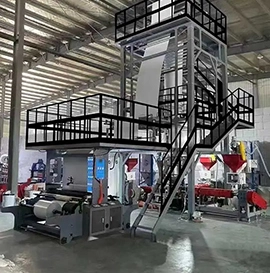
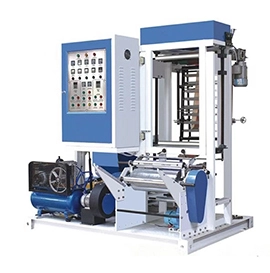
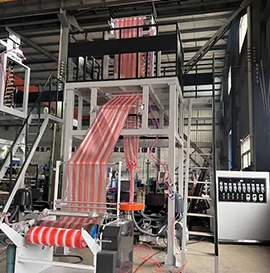
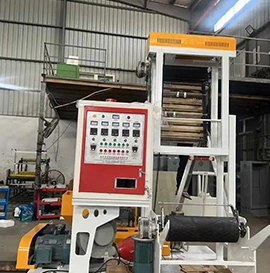
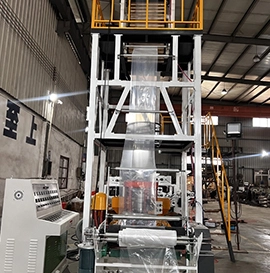
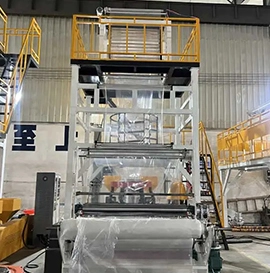
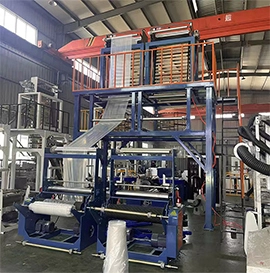
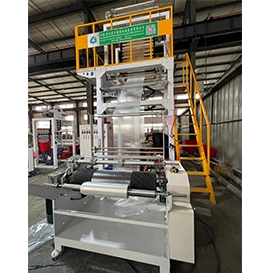
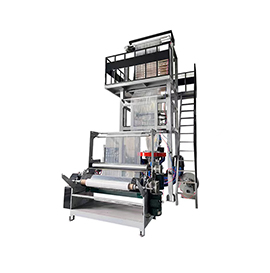
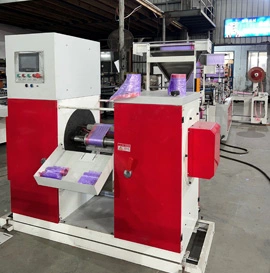
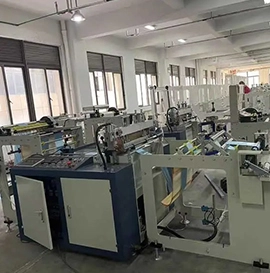
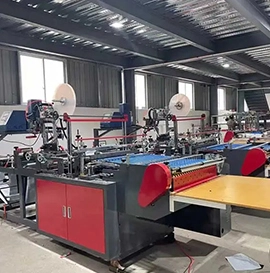
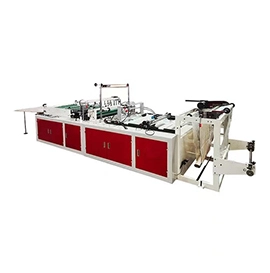
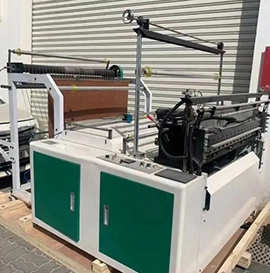
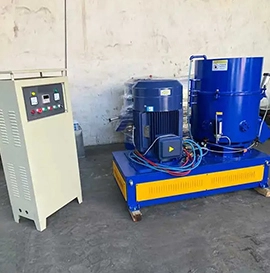
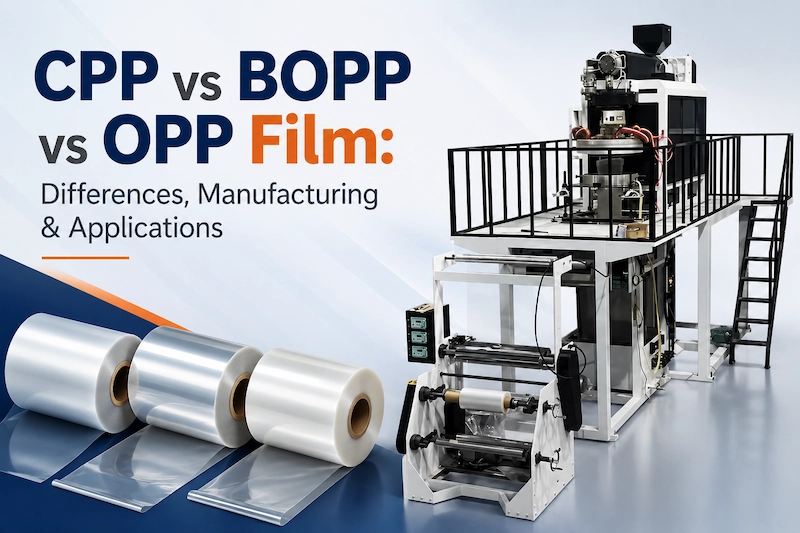
CPP, BOPP, and OPP films are among the most widely used polypropylene packaging materials in the global flexible packaging industry. While all three are derived from polypropylene resin, their manufacturing methods, mechanical properties, optical characteristics, sealing performance, and end-use applications differ significantly.
In general, CPP film offers excellent heat-sealing performance and flexibility, BOPP film provides superior stiffness, transparency, and printability, while OPP film serves as a broader category that includes various oriented polypropylene films. Understanding these differences is essential when selecting materials, planning packaging production, or investing in a pp film extrusion machine.
This guide explains the manufacturing processes, performance characteristics, applications, and selection criteria for CPP, BOPP, and OPP films.
Polypropylene (PP) film is a plastic film produced from polypropylene resin through extrusion and film-forming processes.
PP films are valued for:
Low density
Excellent moisture resistance
Good chemical resistance
Food-contact safety
Cost efficiency
Recyclability
Depending on how the film is stretched after extrusion, different performance characteristics can be achieved.
The three most common categories are:
CPP Film (Cast Polypropylene)
OPP Film (Oriented Polypropylene)
BOPP Film (Biaxially Oriented Polypropylene)
| Property | CPP | OPP | BOPP |
|---|---|---|---|
| Manufacturing Method | Cast | Oriented | Biaxially Oriented |
| Transparency | Good | Very Good | Excellent |
| Stiffness | Low | Medium | High |
| Flexibility | Excellent | Good | Moderate |
| Heat Sealability | Excellent | Moderate | Limited |
| Printability | Good | Good | Excellent |
| Moisture Barrier | Good | Good | Excellent |
| Tensile Strength | Moderate | High | Very High |
| Packaging Speed | Moderate | High | High |
| Cost | Moderate | Moderate | Competitive |
CPP stands for Cast Polypropylene Film.
It is produced through a cast extrusion process where molten polypropylene is extruded through a flat die and rapidly cooled on chilled rollers.
PP Resin
↓
Extruder
↓
Flat Die
↓
Casting Roller
↓
Cooling
↓
Winding
Unlike oriented films, CPP film is not stretched during production.
This results in a softer and more flexible structure.
CPP is widely used as a sealing layer because it can seal effectively at relatively low temperatures.
Advantages include:
Strong seal integrity
Leak resistance
High packaging reliability
CPP remains flexible even at low temperatures.
This makes it suitable for:
Frozen food packaging
Retort packaging
Flexible pouches
Compared with many rigid packaging films, CPP offers:
Better impact resistance
Improved puncture resistance
Enhanced durability
CPP film is frequently used for:
Food packaging
Retort pouches
Frozen food bags
Medical packaging
Textile packaging
Lamination structures
Many multilayer flexible packaging systems use CPP as the inner sealing layer.
OPP stands for Oriented Polypropylene Film.
After extrusion, the film is stretched in one direction to improve mechanical properties.
The orientation process aligns polymer molecules and increases strength.
PP Resin
↓
Extrusion
↓
Film Formation
↓
Machine Direction Stretching
↓
Cooling
↓
Winding
The stretching process improves film performance compared with non-oriented CPP films.
Orientation increases:
Mechanical strength
Dimensional stability
Tear resistance
OPP films often provide:
Higher clarity
Better gloss
Enhanced appearance
Because stretching improves strength, manufacturers can often reduce film thickness while maintaining performance.
This lowers material consumption.
Typical applications include:
Adhesive tapes
Labels
Gift wrapping
Stationery packaging
Decorative films
OPP film is frequently selected where moderate strength and attractive appearance are required.
BOPP stands for Biaxially Oriented Polypropylene Film.
The film is stretched in both machine direction (MD) and transverse direction (TD).
This creates a highly balanced structure with outstanding mechanical and optical properties.
PP Resin
↓
Extrusion
↓
Film Casting
↓
MD Stretching
↓
TD Stretching
↓
Heat Setting
↓
Winding
The biaxial orientation process is the primary reason BOPP dominates modern flexible packaging.
BOPP films offer:
High transparency
Excellent gloss
Premium shelf appearance
These qualities make BOPP popular in consumer packaging.
Biaxial orientation significantly improves:
Tensile strength
Rigidity
Dimensional stability
BOPP surfaces are often corona treated for printing.
This allows:
High-quality graphics
Sharp branding
Premium packaging design
BOPP performs exceptionally well in protecting products from humidity.
Common protected products include:
Snacks
Confectionery
Bakery products
Dry foods
BOPP is one of the most widely used packaging films globally.
Applications include:
Snack packaging
Food packaging
Cigarette overwrap
Label films
Gift wrap
Lamination films
Tape backing films
Many retail packaging products rely heavily on BOPP structures.
The answer depends on application requirements.
You need:
Strong heat sealing
Flexible packaging
Retort resistance
Frozen food performance
Typical examples:
Food pouches
Liquid packaging
Medical packaging
You need:
Excellent appearance
High strength
Good printability
Moisture protection
Typical examples:
Snack packaging
Consumer goods packaging
Labels
Overwrap films
This comparison often causes confusion.
OPP refers broadly to oriented polypropylene films.
BOPP is a specific type of OPP.
OPP
├── BOPP
├── MOPP
└── Other Oriented PP Films
Where:
OPP = Oriented Polypropylene
BOPP = Biaxially Oriented Polypropylene
MOPP = Monoaxially Oriented Polypropylene
Therefore, every BOPP film is an OPP film, but not every OPP film is BOPP.
The equipment required for each film type varies significantly.
Main equipment includes:
Extruder
Flat die
Casting unit
Cooling rollers
Winder
CPP lines are generally simpler.
BOPP production requires:
High-capacity extrusion systems
Stretching units
Transverse orientation systems
Heat-setting ovens
Advanced winding systems
Investment costs are considerably higher.
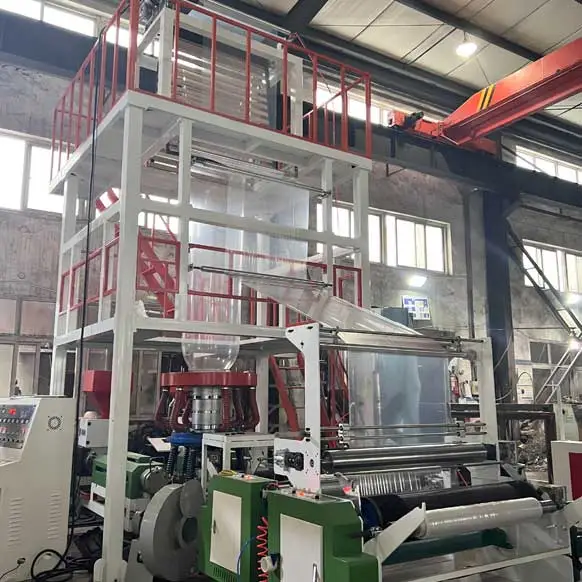
A modern pp film extrusion machine forms the foundation of both CPP and BOPP production.
The extrusion section is responsible for:
Resin melting
Pressure generation
Material homogenization
Stable film formation
Machine quality directly affects:
Film thickness consistency
Optical quality
Production efficiency
Material utilization
Manufacturers selecting new equipment should evaluate both extrusion performance and downstream processing capabilities.
Advantages:
Lower processing complexity
Excellent sealing performance
Best for:
Functional packaging
Advantages:
High output
Thin-gauge production
Strong retail appeal
Best for:
Consumer packaging
Advantages:
Versatile applications
Balanced performance
Best for:
Specialty industrial uses
The most cost-effective solution depends on the product's performance requirements rather than raw material cost alone.
Food packaging often combines multiple film structures.
CPP remains the preferred option for heat-sealing applications.
BOPP generally offers superior printing performance.
BOPP typically delivers the highest strength-to-weight ratio.
Equipment investment varies considerably among technologies.
Several industry trends are influencing film manufacturing:
Manufacturers continue reducing film thickness to lower material consumption.
Mono-material packaging solutions are gaining popularity.
New extrusion technologies increase productivity and reduce energy consumption.
Demand for recyclable polypropylene packaging continues to grow globally.
Modern pp film extrusion machine technology plays an important role in supporting these developments.
CPP, BOPP, and OPP films each serve important roles within the packaging industry.
CPP film is the preferred choice for applications requiring flexibility, excellent heat sealing, and durable pouch structures. BOPP film dominates consumer packaging thanks to its outstanding clarity, stiffness, printability, and moisture barrier properties. OPP represents the broader category of oriented polypropylene films and includes various specialized structures designed for specific industrial applications.
For packaging manufacturers, converters, and investors evaluating a pp film extrusion machine, the best choice depends on target products, customer requirements, production volume, and long-term market positioning. Understanding the strengths and limitations of each film type allows businesses to optimize performance, reduce costs, and remain competitive in evolving packaging markets.
Is BOPP stronger than CPP?
Yes. BOPP generally offers significantly higher tensile strength due to biaxial orientation.
Which film has better heat-sealing performance?
CPP film provides superior heat-sealing characteristics.
Is BOPP suitable for food packaging?
Yes. BOPP is widely used in snack, confectionery, bakery, and dry food packaging.
What does OPP stand for?
OPP stands for Oriented Polypropylene Film.
What equipment is required to produce polypropylene films?
A high-quality pp film extrusion machine, combined with appropriate casting or orientation systems, is required depending on whether CPP, OPP, or BOPP film is being produced.